Storytelling is ingrained into the fabric of who we are. From the formative ages of being toddlers, we are often taught the mythology of beings like Santa Claus, the Easter Bunny, the Tooth Fairy, and more. While those are fairly general examples, there are so many of us who are given the gifts of legends and lore that stem from our own heritage. Native Americans have given us legends like Skinwalkers and Wendigo, while Japan has given us legends like Yuki-onna or Kappa. The Greeks gave us Vrykolakas and Neraides.
The thing about these stories and legends is that we consistently pass them down to our children and their children, repeating the cycle almost instinctively. The older we get, the more we grow, the more we learn, and the more we are exposed to different cultures and their legends. It is almost as if there is a beautiful part of us that refuses to let these stories die. That’s the beauty of storytelling and the mediums in which we allow these stories to remain relevant. While I’m partial to these stories coming in the way of film, I understand that not everyone wants to consume these legends in the same fashion as me.
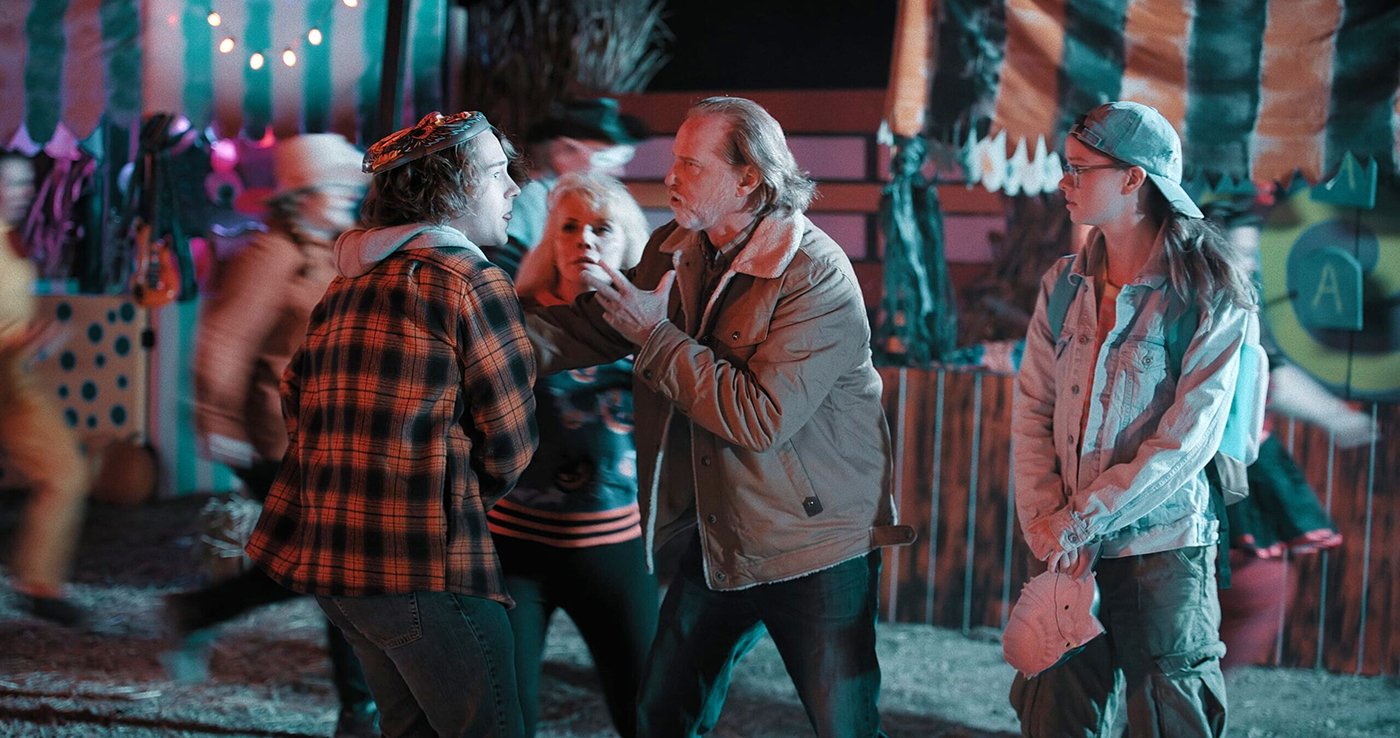
That’s one of the reasons I love being immersed in film festivals. Film allows you to see stories, legends, and lore from other cultures that you may have never otherwise been exposed to. Now, whether or not the lore behind The Barn trilogy is connected to any actual legends remains to be seen. However, up to this point, I had never seen either of the first two entries in this now-horror trilogy from writer-director Justin M. Seaman. After nearly a decade, Seaman wraps up the first trilogy of his story. Whether or not there will be more entries past this one remains to be seen.
Unlike its predecessors, The Barn Part III is set within modern times as survivors of the first two films must face off against the legendary forces of evil. Let me just start off by saying I really wish that other horror trilogies would do what Part III does. The refreshing thing about these movies, here especially, is the fact that Seaman manages to constantly reinvent them and grow the lore behind this small town. The Barn Part III continues that legacy of storytelling that viewers have come to expect from these types of movies.
The narrative here is a beautiful balance. It’s fearless in addressing the very real, and often lasting, effects of trauma. It’s a splendid showcase of how trauma has this ability to ripple throughout the remainder of our lives and our stories. Kelli Maroney and Courtney Gains deliver exceptional performances as older versions of our trilogy survivors. They manage to elevate this film with performances that walk a fine line between serious and camp. Both equally embody the tone of the film that Seaman establishes here.
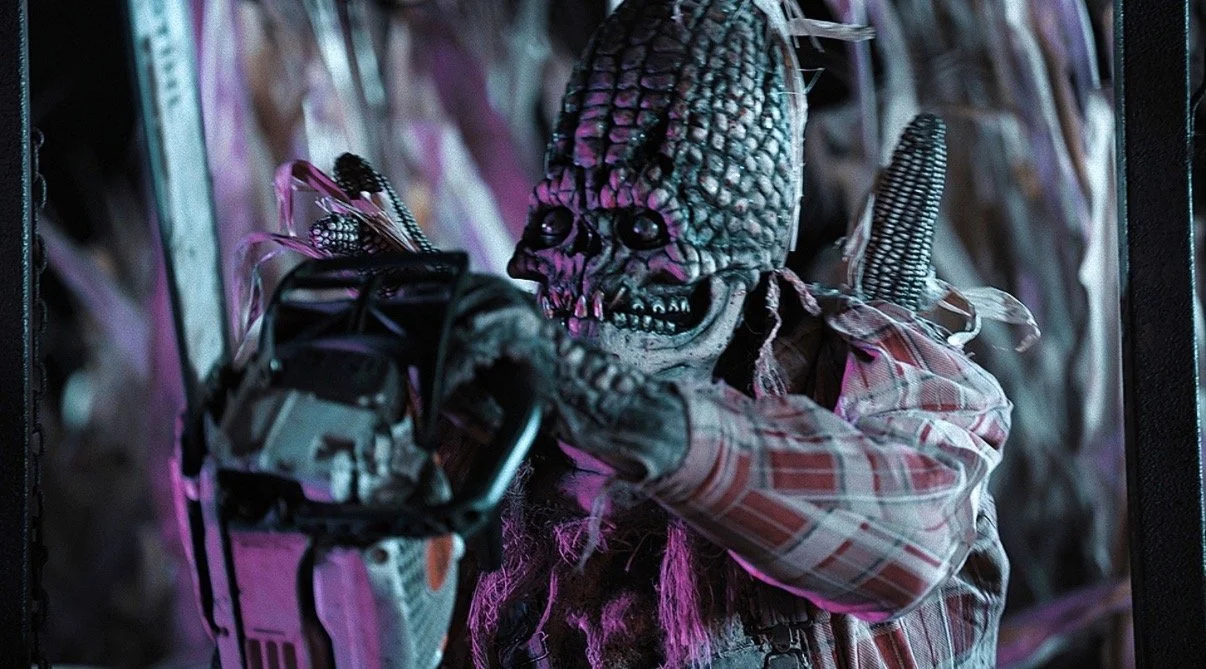
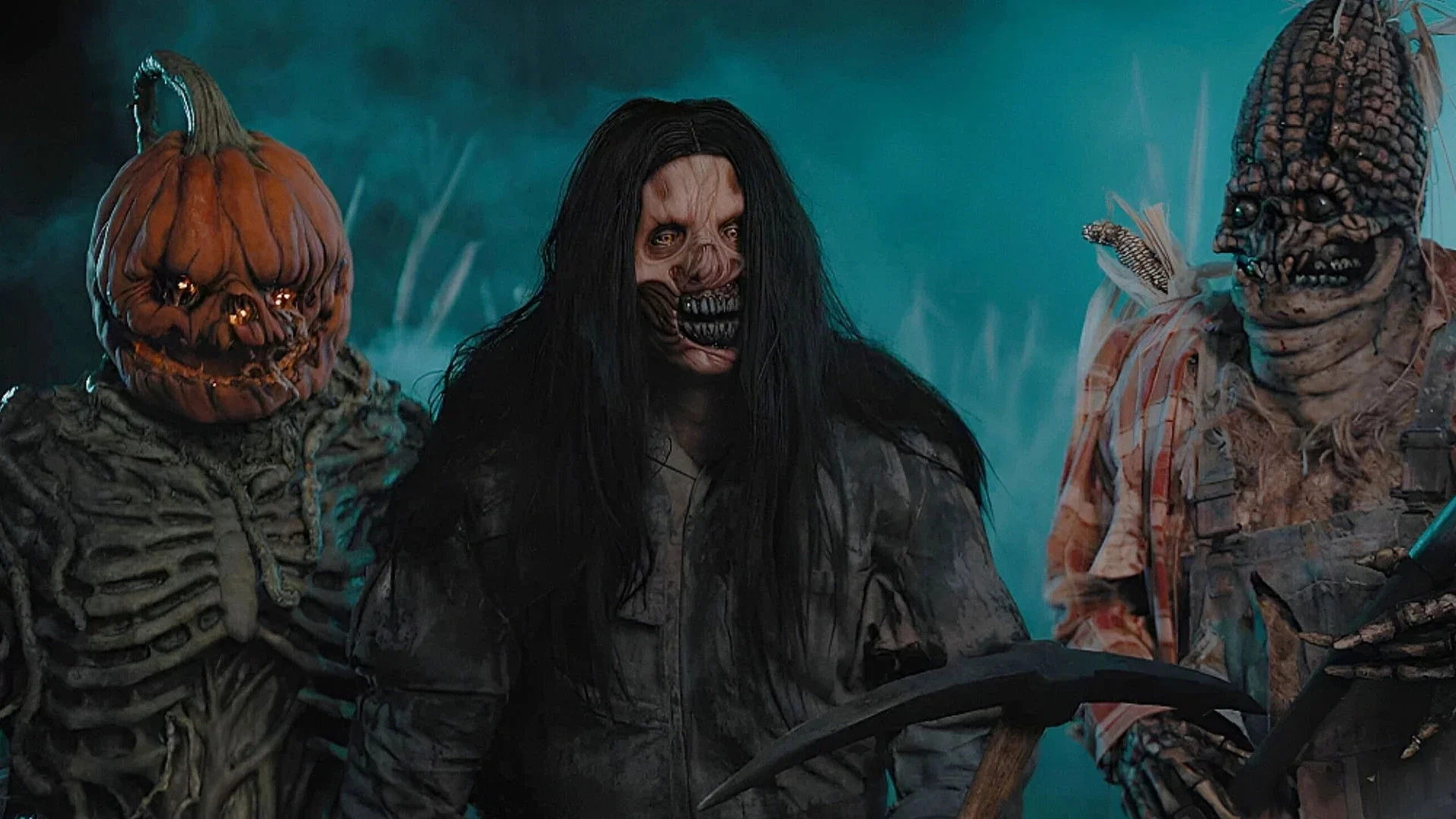
The thing about balance here is that this is a movie that can be serious, but it can also embody the camp and schlock these movies have become known for. When I talk about the beautiful balance that Seaman brings with this threequel, this is what I’m talking about. I love the fact that this film also has camp alongside these character studies. It creates a mystery surrounding these characters and the lore that is incredibly refreshing. As for the camp, I love the gags here. The Barn Part III might have the best gags of any film in the trilogy. They are an exceptional showcase of the practical effects by Cody Ruch and Samantha Sanford. The duo anchor a bloody good time.
While The Barn Part III is an entertaining film that does a lot of good throughout its 100-minute runtime, it does have some pacing issues woven into its tapestry. The third entry into the franchise comes with the longest runtime. While that’s not necessarily a bad thing, I do think the film suffers from its own ambition within its third act. It almost feels like the film abandons some of that balance I talked about earlier in favor of showcasing its practical effects. While those effects are fantastic, even great gags can be woven into the story and have purpose. For me, I also think the resolution here seems a bit too straightforward, which feels almost out of character compared to the previous two entries in the series.
I think my only other complaint about this film would be how some of our newer characters feel underdeveloped from the remainder of the cast. When you have a core cast that is the product of previous films with years of experience, sometimes it might just be hard to give newer characters purpose or development. Unfortunately, that’s the way nearly all of these older characters feel. There is also only so much that the actors can do with the material they are given. A lot of the performances from its newer audience just feel uninspiring. They are passable but nothing remarkable.
Overall, The Barn Part III is the best entry in the series yet. Co-writer and director Justin M. Seaman gives us a threequel that elevates the mythology of the previous two entries while also giving viewers a splendid balance of excellent practical effects, wonderful dramatic beats, and the signature schlock these movies have become known for. The film is marvelously anchored by Kelli Maroney and Courtney Gains, who stand out above the film’s other performances. The only thing horrifying about The Barn’s third outing is how much the film stumbles in its final act. Justin M. Seaman gives us a worthwhile conclusion, should it be an official one, to this trilogy in an outstanding final bow.
RORSCHACH RATING:

Victims and Villains is written (and produced) by Josh "Captain Nostalgia" Burkey and others. Music by Mallory Johnson and others. We do not own nor claim any rights. The Barn Part III is property of Nevermore Production Films in association with Blood Moon Pictures. We do not own nor claim any rights.
You can now support us on Patreon. Help us get mental health resources into schools and get exclusive content at the same time. Click here to join today!